
In a UAE summer, a construction uniform is not just about looking professional. Heat, sun, dust and daily washing all test workwear harder than almost anywhere else, and the wrong choice leaves crews uncomfortable, makes hi-vis gear fade, and wears out garments early.
This guide covers what to look for in construction uniforms for hot weather: fabric, weight, hi-vis, fit and branding, plus a quick checklist to use before you order.
Key takeaways
- Choose breathable fabrics and the right weight for each role.
- Use hi-vis and reflective tape where crews work near traffic or machinery.
- Agree branding, sizes and re-orders before you place the first order.
What Dubai’s heat means for site workwear
Outdoor crews in Dubai deal with four things at once:
- Heat and sun: summer temperatures make heavy, non-breathable fabrics uncomfortable within minutes.
- Sweat: garments need to stay comfortable when damp and dry reasonably quickly.
- Dust: fabric and colours need to cope with dirt and frequent washing.
- Daily laundering: uniforms are washed far more often than in cooler climates, which tests stitching and colourfastness.
The UAE also has a summer midday break for outdoor work. In 2026 it runs from 15 June to 15 September, and outdoor work under direct sunlight is not allowed between 12:30 pm and 3:00 pm. Employers also need to provide shaded rest areas and drinking water. Check the Ministry of Human Resources and Emiratisation (MOHRE) for the current year’s rules. Good uniforms don’t replace these rules, but they make the hours that crews do work more comfortable.
Fabric: breathability vs durability
The main trade-off in hot-weather workwear is between breathability (comfort) and durability (how long the garment lasts on site).
Cotton, poly-cotton and blends
- 100% cotton is breathable and comfortable against the skin, which many outdoor workers prefer in the heat.
- Poly-cotton blends usually hold their shape and colour better after repeated washing and tend to dry faster.
- The right choice depends on the work. Outdoor crews in direct sun often value comfort first, while workshop or warehouse teams may value durability more.
Fabric weight (GSM) explained
GSM (grams per square metre) tells you how heavy a fabric is.
- Lighter fabrics feel cooler and are more comfortable for long outdoor shifts.
- Heavier fabrics resist tears and abrasion better where durability matters most, such as heavy lifting or rough surfaces.
Many contractors use lighter shirts for outdoor crews and heavier fabrics for roles with more wear and tear. When you brief your supplier, tell them how and where each team works, and they can recommend the right weight.
Colourfast fabrics
Sun and frequent washing fade colours fast. Colourfast fabrics keep your company colours, and your crew’s professional look, for longer.
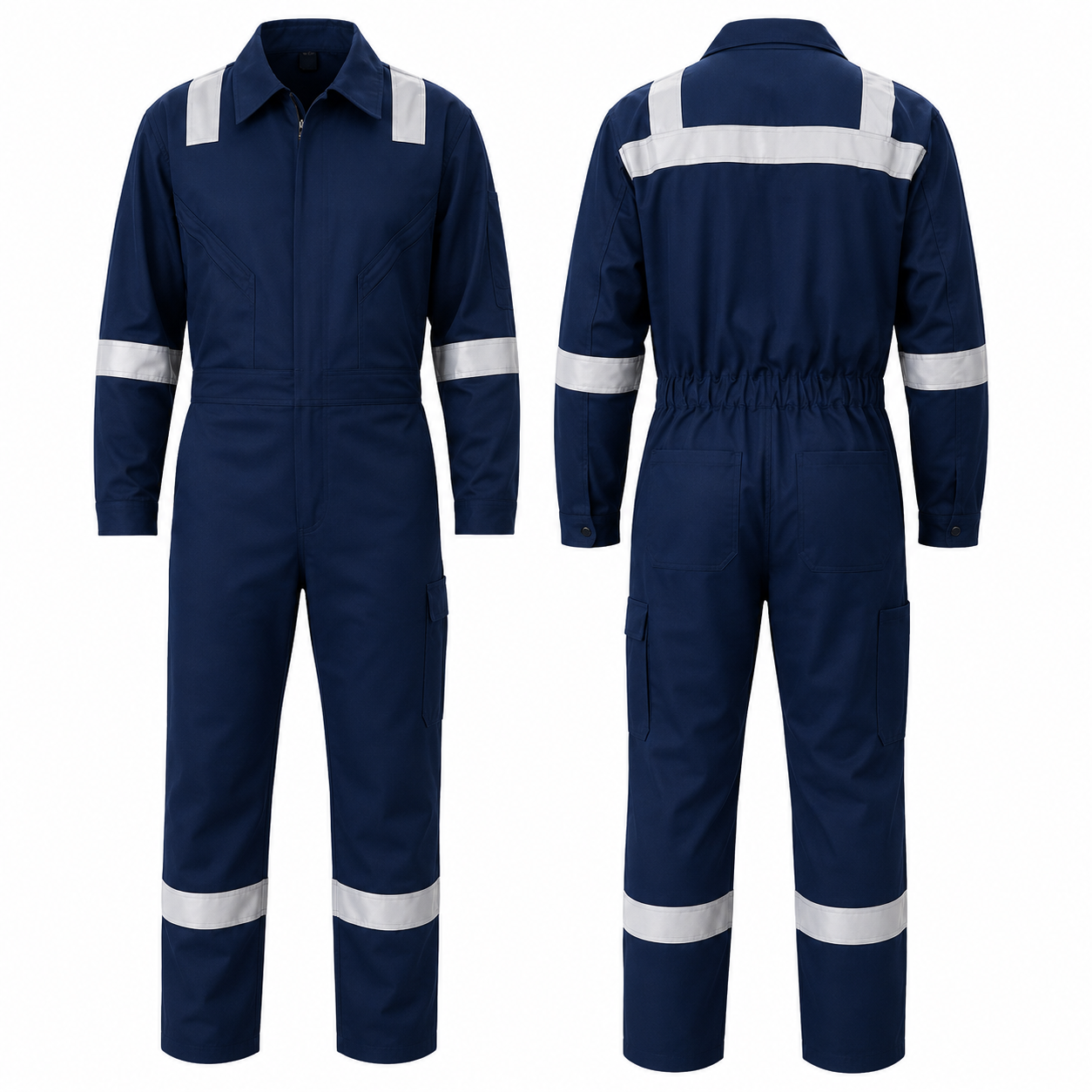
Coveralls or two-piece workwear?
Both work well in the heat; the best choice depends on the role.
| Coveralls | Work shirt + cargo trousers | |
|---|---|---|
| Protection | Full-body coverage, nothing comes untucked | Good coverage; shirt and trousers can be replaced separately |
| Heat | Can feel warmer as a single layer | Easier to stay cool; shirt can be changed during the day |
| Movement | Good for crawling, kneeling and machinery work | Good for general site work and supervision |
| Typical roles | Mechanics, maintenance, plant operators | General labour, supervisors, engineers |
Many sites use both: coveralls for maintenance and plant teams, two-piece workwear for everyone else.
Hi-vis and reflective details
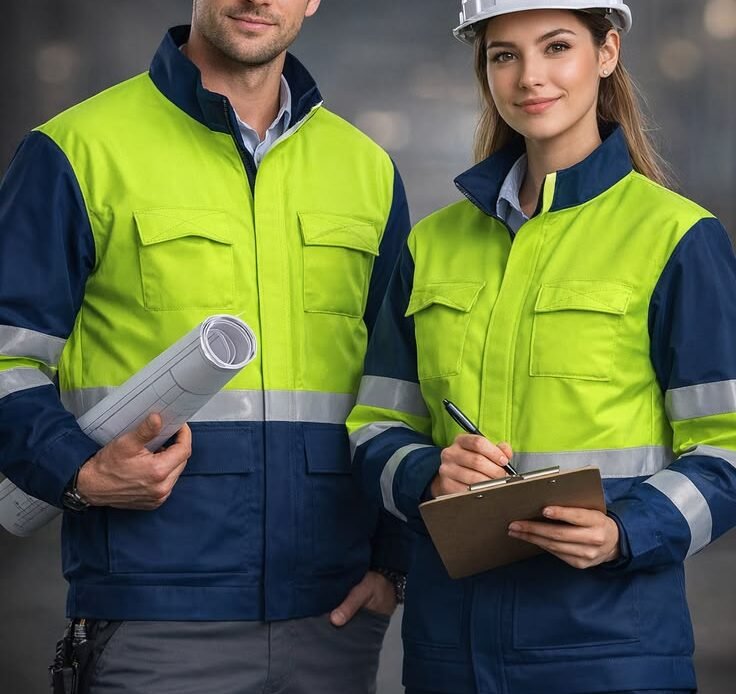
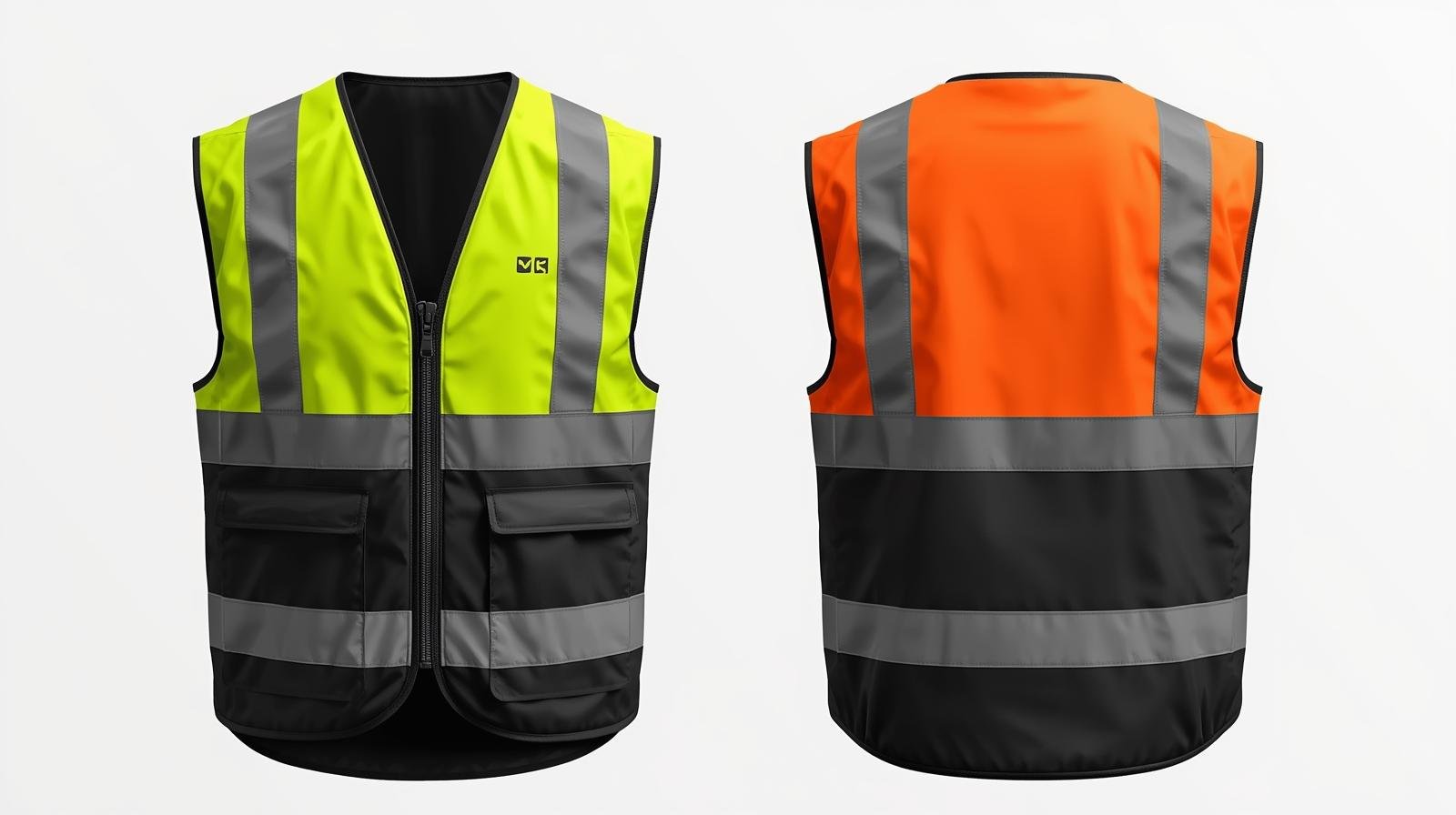
Workers near traffic, moving plant or working at night need to be seen. In the heat, think about how hi-vis is worn:
- Hi-vis vests are lightweight and quick to put on over a work shirt.
- Hi-vis shirts and jackets with reflective tape avoid an extra layer but must be breathable.
- Reflective tape placement on the chest, back, arms and legs helps workers stay visible from every direction.
- Different hi-vis colours by role (for example, a distinct colour for supervisors or HSE officers) make it easy to see who is who on a busy site.
Fit and practical details
A uniform that fits badly is uncomfortable in the heat and gets in the way of the work. Look for:
- Room to move: cuts that allow bending, lifting and climbing without pulling
- Reinforced seams at stress points
- Practical pockets for tools, phones and pens
- A full size range so every crew member gets a proper fit, not just “medium, large and extra large”
Branding that survives the site
Your logo on every worker shows clients and site visitors who is on the job.
- Embroidery is durable and looks premium on work shirts and jackets.
- Printing is useful for large logos and the backs of hi-vis vests.
- Consistent placement (for example, logo on the left chest and company name on the back) makes your whole crew look like one team.
Our construction uniform supplier page shows typical uniform sets by role, from site workers to engineers and HSE officers.
Quick checklist before you order
- Roles listed (labourers, operators, supervisors, engineers, HSE, drivers)
- Coveralls or two-piece workwear chosen for each role
- Fabric and weight chosen for outdoor vs indoor teams
- Hi-vis requirements confirmed for each role
- Reflective tape placement agreed
- Logo, colours and placement approved
- Sizes collected for every worker, plus spares
- Number of sets per worker decided
- Plan for re-orders and new joiners
Construction uniform FAQs
What is the best fabric for construction work in the UAE summer?
Breathable fabrics in a weight suited to the job. Many outdoor crews prefer cotton or lighter fabrics for comfort, while heavier or poly-cotton fabrics suit roles where durability matters most.
Are coveralls or a shirt and trousers better in the heat?
Both can work. Two-piece workwear is often easier to stay cool in, while coveralls give full coverage for maintenance and plant teams.
Do hi-vis vests make workers hotter?
A lightweight vest adds very little warmth. For outdoor crews in full sun, breathable hi-vis shirts with reflective tape are another option.
How often should site uniforms be replaced?
It depends on the work and how often uniforms are washed. Replace garments when reflective tape is damaged, colours have faded or fabric is torn, because worn workwear affects both safety and how your company looks on site.
Kitting out a site team?
ZLK Garments supplies construction and industrial uniforms in Dubai: coveralls, work shirts, cargo trousers and hi-vis vests with reflective tape and your company logo. Teams in warehouses and logistics can also see our warehouse and logistics uniforms. Send us the garments, quantities and your logo for recommendations and a quote.